

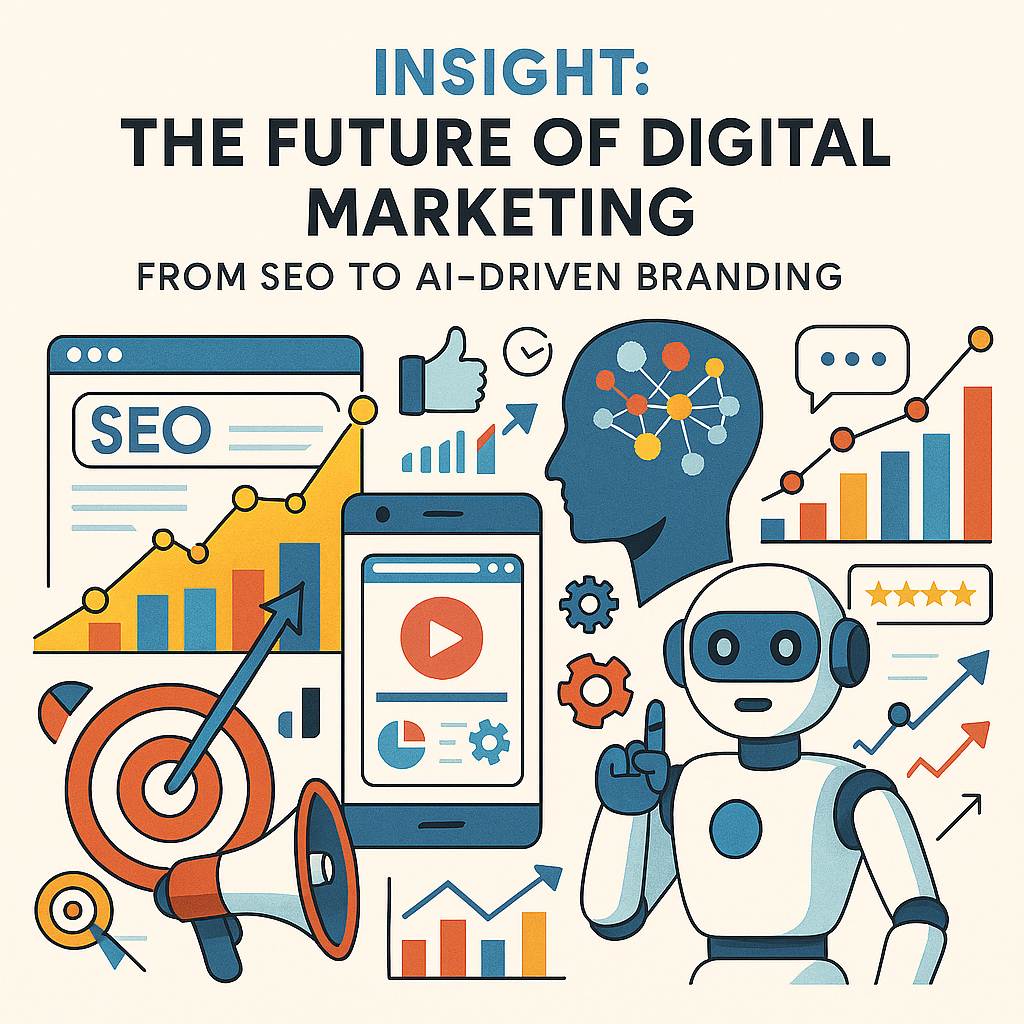
The Evolution of Digital Marketing in a Connected World
Digital marketing has undergone a remarkable transformation over the past two decades. What began as simple banner advertisements and email campaigns has evolved into a complex ecosystem that integrates search engines, social media, content platforms, and artificial intelligence. The rise of smartphones and the expansion of internet access have created a world where consumers are constantly connected, and brands must adapt to this reality. Search engine optimization (SEO) remains a cornerstone of digital marketing, but its role has shifted from keyword stuffing to a sophisticated practice that emphasizes user intent, content quality, and technical performance. At the same time, social media platforms have become powerful tools for shaping public perception, allowing individuals and organizations to engage directly with audiences in real time.
This evolution reflects a broader shift in consumer behavior. Audiences today are more discerning, skeptical of traditional advertising, and increasingly reliant on peer reviews and authentic content. Digital marketing strategies must therefore balance visibility with credibility, ensuring that campaigns are not only seen but also trusted. The challenge lies in navigating a crowded digital space where attention spans are short and competition is fierce. Brands that succeed are those that understand the nuances of consumer psychology, leverage data-driven insights, and deliver personalized experiences. As technology continues to advance, digital marketing will increasingly rely on automation, artificial intelligence, and predictive analytics to anticipate consumer needs and deliver value at scale.
SEO as the Foundation of Digital Visibility
Search engine optimization remains the backbone of digital marketing, even as new technologies emerge. At its core, SEO is about ensuring that content is discoverable, relevant, and authoritative. Search engines like Google have refined their algorithms to prioritize user experience, rewarding websites that provide meaningful answers, fast loading times, and mobile-friendly designs. This means that SEO is no longer a technical afterthought but a strategic discipline that requires collaboration between content creators, developers, and marketers. The emphasis has shifted toward semantic search, where algorithms interpret the intent behind queries rather than simply matching keywords.
For businesses and institutions, SEO represents an opportunity to build long-term visibility. Unlike paid advertising, which delivers immediate but temporary results, organic search rankings can generate sustained traffic and credibility. However, achieving this requires consistent effort in producing high-quality content, earning backlinks from reputable sources, and maintaining technical excellence. The rise of voice search and conversational AI adds another layer of complexity, as users increasingly interact with search engines through natural language queries. Optimizing for these new behaviors demands a deeper understanding of how people communicate and what information they seek.
SEO also intersects with reputation management. A strong search presence can reinforce credibility, while negative content can damage trust. Organizations must therefore monitor their digital footprint and proactively shape the narrative through strategic publishing. In this sense, SEO is not just about visibility but also about influence. It determines how audiences perceive a brand, a politician, or even a nation. As digital ecosystems expand, SEO will remain the foundation upon which other strategies are built, ensuring that messages reach the right audiences at the right time.
The Rise of AI-Driven Branding
Artificial intelligence is redefining the landscape of digital marketing, introducing tools and techniques that were unimaginable a decade ago. AI enables brands to analyze vast amounts of data, identify patterns, and predict consumer behavior with remarkable accuracy. This allows for hyper-personalized campaigns that deliver tailored messages to specific segments of the audience. Chatbots, recommendation engines, and automated content generation are just a few examples of how AI is transforming engagement. These technologies not only improve efficiency but also enhance the customer experience by providing instant responses and relevant suggestions.
AI-driven branding goes beyond personalization. It enables organizations to craft narratives that resonate on a deeper level, using insights derived from sentiment analysis and behavioral tracking. For instance, political campaigns can analyze social media conversations to gauge public opinion, while corporations can identify emerging trends before they become mainstream. This predictive capability gives brands a competitive edge, allowing them to position themselves strategically in dynamic markets. However, it also raises ethical questions about privacy, transparency, and manipulation. Consumers are increasingly aware of how their data is used, and brands must balance innovation with responsibility.
The integration of AI into branding strategies also highlights the importance of authenticity. While algorithms can generate content and optimize delivery, audiences still value genuine human connection. Successful campaigns are those that combine technological precision with emotional resonance. This requires a holistic approach where AI supports creativity rather than replaces it. As AI continues to evolve, its role in digital marketing will expand, but the essence of branding—building trust and fostering relationships—will remain unchanged. The challenge for organizations is to harness AI in ways that amplify their values and vision, ensuring that technology serves humanity rather than the other way around.
Digital Marketing as a Tool for Reputation and Influence
Beyond commerce, digital marketing has become a powerful instrument for shaping reputation and influence. Governments, political leaders, and institutions increasingly rely on digital platforms to communicate policies, promote initiatives, and engage with citizens. The ability to reach global audiences instantly has transformed diplomacy, allowing nations to project soft power through cultural campaigns, educational programs, and strategic communication. Similarly, corporations use digital marketing to reinforce their brand identity, manage crises, and build trust with stakeholders.
The effectiveness of digital marketing in reputation management lies in its immediacy and reach. A well-crafted article, video, or social media post can influence public perception within hours, while negative content can spread just as quickly. This duality underscores the need for proactive strategies that anticipate risks and respond swiftly to challenges. Paid reviews, influencer collaborations, and media placements are tools that can enhance credibility, but they must be used ethically to avoid backlash. Transparency and authenticity are critical, as audiences are quick to detect manipulation.
Digital marketing also plays a role in academic and research institutions, where visibility in global platforms can attract collaborations, funding, and recognition. Publishing in international journals, maintaining a strong online presence, and engaging in digital diplomacy are ways in which institutions extend their influence beyond borders. In this context, digital marketing is not merely a commercial activity but a strategic asset that shapes how individuals, organizations, and nations are perceived in the global arena. The future of reputation management will depend on the ability to integrate digital marketing with broader communication strategies, ensuring that influence is built on trust and sustained through consistent engagement.
Conclusion – Navigating the Future of Digital Marketing
The future of digital marketing is both exciting and challenging. As technology advances, the tools available to marketers become more sophisticated, enabling unprecedented levels of personalization and efficiency. SEO will continue to serve as the foundation of digital visibility, ensuring that content is discoverable and credible. Artificial intelligence will drive innovation, offering predictive insights and automated solutions that enhance engagement. At the same time, the ethical dimensions of digital marketing will become increasingly important, as consumers demand transparency and authenticity.
For organizations, the key lies in adopting a holistic approach that integrates technology with human creativity. Digital marketing must be seen not only as a means of promotion but also as a tool for building relationships, managing reputation, and shaping influence. Whether for businesses, politicians, or nations, the ability to communicate effectively in the digital space will determine success in a connected world. The challenge is to navigate complexity with clarity, leveraging insights to deliver value while staying true to core values.
In the end, digital marketing is about more than algorithms and analytics; it is about understanding people. Technology provides the tools, but it is empathy, authenticity, and vision that create lasting impact. As we move forward, the organizations that thrive will be those that embrace innovation while remaining grounded in human connection. The future of digital marketing is not just digital—it is profoundly human.